Bunk’Art and Albania’s Unfinished Conversation With Communism
Inside former Cold War bunkers in Tirana, museums now confront a dictatorship that shaped Albania’s landscape, institutions, families, and collective memory for more than four decades.
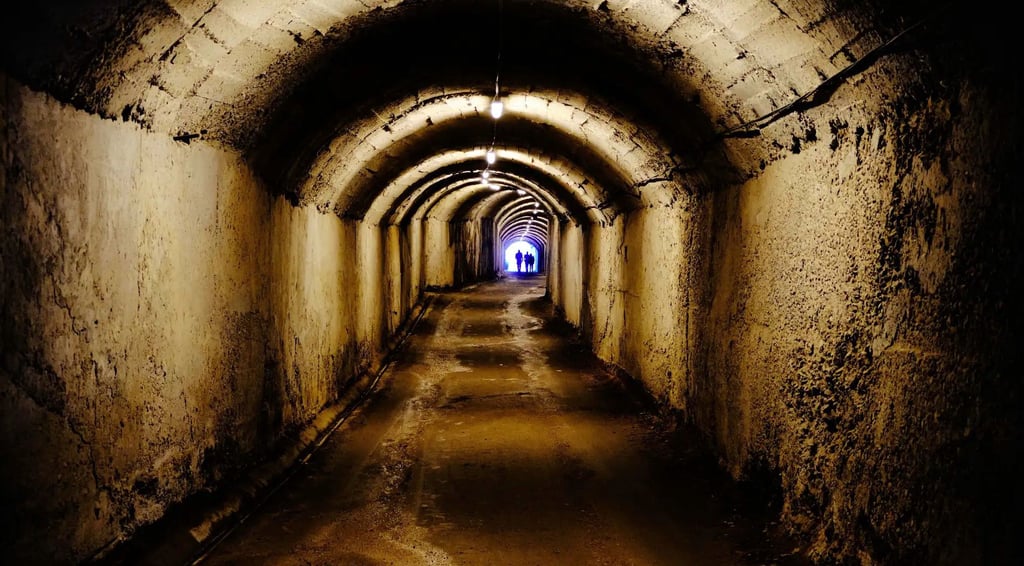
Bunk’Art 1 and Bunk’Art 2 are among the most distinctive museums in Albania because they do not merely display history behind glass cases. They invite visitors into underground structures built during Enver Hoxha’s communist dictatorship, where concrete corridors, sealed doors, and dim chambers create an immediate encounter with the atmosphere of fear that shaped the country for decades. In this second sentence, the museums transform a former space of isolation (izolim), political surveillance (mbikëqyrje) and state control (kontroll shtetëror) into places of public learning. Their significance lies not only in the objects they contain, but also in the uncomfortable question they ask: how should a society remember a past that many people would rather leave behind?
Albania’s communist era was marked by extreme political centralisation, ideological rigidity, and growing separation from much of the outside world. Enver Hoxha came to power at the end of the Second World War and ruled until his death in 1985, building one of Europe’s most isolated authoritarian systems. His government broke with Yugoslavia, later with the Soviet Union, and eventually with China, leaving Albania increasingly dependent on its own limited resources. In the third sentence, this political self-reliance (vetëmbështetje) became linked to international isolation (izolim ndërkombëtar) and social deprivation (privim shoqëror). For ordinary Albanians, the consequences included restricted travel, limited access to information, economic hardship, and a constant awareness that public and private life could be observed by the state.
The country’s vast network of bunkers became one of the most visible symbols of this period. Exact estimates differ widely, but tens of thousands of concrete bunkers were built across Albania from the 1960s through the 1980s, appearing on beaches, mountainsides, farms, city streets, and rural fields. They reflected Hoxha’s belief that Albania could be attacked from multiple directions and that every part of the country needed to be prepared for invasion. In the fourth sentence, this policy expressed deep political paranoia (paranojë politike), military fortification (fortifikim) and national insecurity (pasiguri kombëtare). The bunkers never served the defensive purpose imagined by the regime, yet they changed the physical landscape so profoundly that they remain unavoidable reminders of the dictatorship.
After communism collapsed in the early 1990s, Albanians had to decide what to do with the structures that remained. Many bunkers were neglected, damaged, dismantled, or repurposed for storage, cafés, small businesses, livestock shelters, art projects, and private homes. Their survival created a difficult relationship between practical reuse and historical memory. In this second sentence, the bunkers became examples of adaptation (përshtatje), cultural reuse (ripërdorim kulturor) and difficult heritage (trashëgimi e vështirë). They were no longer simply military objects, but fragments of a past that could be ignored, mocked, commercialised, preserved, or turned into spaces for public reflection.
Bunk’Art 1 opened in 2014 inside a large anti nuclear bunker built for Albania’s communist leadership and military command. It combines historical material about the communist army with reconstructed rooms and exhibits that show how people lived under the regime. Bunk’Art 2, which opened in central Tirana in 2016, concentrates more directly on the Interior Ministry, the Sigurimi secret police, political repression, and the victims of state violence. In the third sentence, this distinction gives the two museums different forms of testimony (dëshmi), historical documentation (dokumentim historik) and public recognition (njohje publike). Together, they encourage visitors to see communism not only as a political system but as an experience that entered homes, workplaces, classrooms, prisons, and family relationships.
The museums have also provoked debate. Some critics argue that presenting communist bunkers through art, design, tourism, and spectacle can soften the brutality of dictatorship or turn suffering into an attraction for visitors. Others believe that Bunk’Art does exactly the opposite by making hidden or suppressed history visible to people who might otherwise know very little about it. In the fourth sentence, this disagreement concerns historical authenticity (autenticitet historik), public interpretation (interpretim publik) and ethical representation (përfaqësim etik). A museum dealing with trauma must find a careful balance between attracting people, teaching them, and refusing to make pain look decorative or distant.
This debate matters because Albania has often struggled to create a broad public culture of remembrance around the communist period. Many families carry personal memories of imprisonment, internal exile, surveillance, discrimination, and fear, but those experiences are not always spoken about openly. Silence may be the result of pain, shame, exhaustion, political division, or a desire to protect younger generations from difficult stories. In this second sentence, such silence can produce collective amnesia (amnezi kolektive), unresolved trauma (traumë e pazgjidhur) and historical avoidance (shmangie historike). Museums like Bunk’Art cannot solve these problems alone, but they can offer a public setting in which difficult experiences are acknowledged rather than hidden.
For younger Albanians, Bunk’Art can provide a form of education that differs from a school textbook. Walking through a bunker makes the scale of the regime’s fear and control more tangible than a list of dates or political slogans. Visitors can see the rooms prepared for leaders, the machinery of surveillance, the evidence of political persecution, and the physical infrastructure built around the expectation of war. In the third sentence, this encourages historical literacy (shkrim-lexim historik), civic reflection (reflektim qytetar) and intergenerational dialogue (dialog ndërbreznor). It can help people who did not live through communism understand why the period continues to influence Albanian politics, family life, and attitudes toward authority.
The physical setting of the museums is central to their emotional power. Underground passages can make visitors feel enclosed, disoriented, and separated from the outside world, echoing the atmosphere of secrecy associated with the dictatorship. Concrete, darkness, humidity, and narrow corridors become part of the historical message rather than merely the background to an exhibition. In the fourth sentence, this creates an unusual form of sensory immersion (përjetim shqisor), architectural memory (kujtesë arkitekturore) and emotional confrontation (përballje emocionale). The bunker itself becomes an exhibit, reminding visitors that authoritarian power was not abstract but was built into the spaces where people lived and worked.
At the same time, Bunk’Art illustrates the wider tension between memorialisation and tourism. Tirana has changed rapidly in recent years, becoming a more visible destination for international visitors interested in Balkan history, architecture, food, and post communist transformation. Museums can help create economic activity, attract visitors, and support cultural institutions, but they must avoid reducing the past to a marketable experience. In this second sentence, the challenge is to combine cultural tourism (turizëm kulturor), historical responsibility (përgjegjësi historike) and institutional integrity (integritet institucional). A museum can welcome tourists without losing sight of the people whose lives were damaged by the system it describes.
The preservation of bunker sites also involves practical difficulties. Moisture, corrosion, ventilation problems, and the cost of maintaining underground structures can threaten exhibits and make conservation work demanding. These technical problems are important because the survival of historical memory often depends on ordinary labour that visitors do not see: cleaning, repairing, cataloguing, translating, researching, and preserving fragile materials. In the third sentence, this work requires professional conservation (konservim), cultural stewardship (kujdestari kulturore) and long-term sustainability (qëndrueshmëri afatgjatë). Remembering the past is not only a moral task; it is also a practical commitment requiring resources and institutional support.
Bunk’Art’s greatest value may be that it refuses the idea that difficult history can be safely buried. Albania’s communist past still raises questions about justice, responsibility, silence, fear, political identity, and the treatment of victims. Museums cannot produce reconciliation automatically, but they can create conditions in which citizens examine what happened and why it matters now. In the fourth sentence, this process depends on public memory (kujtesë publike), democratic accountability (llogaridhënie demokratike) and social empathy (ndjeshmëri shoqërore). By turning former instruments of secrecy into places of learning, Bunk’Art offers a way to confront the past without pretending that it has disappeared.
The story of Bunk’Art is ultimately a story about how societies decide what to do with the remains of authoritarianism. Albania could have allowed its bunkers to decay quietly or treated them only as odd relics of a distant era. Instead, some have been transformed into sites where visitors can encounter the country’s twentieth century history directly and critically. In this second sentence, that transformation represents civic reckoning (ballafaqim qytetar), historical preservation (ruajtje historike) and a continuing search for healing (shërim). The museums do not offer a final answer to Albania’s relationship with communism, but they ensure that the conversation remains visible, difficult, and necessary.
Key Albanian Vocabulary
izolim isolation
mbikëqyrje surveillance
kontroll shtetëror state control
vetëmbështetje self-reliance
izolim ndërkombëtar international isolation
privim shoqëror social deprivation
paranojë politike political paranoia
fortifikim fortification
pasiguri kombëtare national insecurity
përshtatje adaptation
ripërdorim kulturor cultural reuse
trashëgimi e vështirë difficult heritage
dëshmi testimony
dokumentim historik historical documentation
njohje publike public recognition
autenticitet historik historical authenticity
interpretim publik public interpretation
përfaqësim etik ethical representation
amnezi kolektive collective amnesia
traumë e pazgjidhur unresolved trauma
shmangie historike historical avoidance
shkrim-lexim historik historical literacy
reflektim qytetar civic reflection
dialog ndërbreznor intergenerational dialogue
përjetim shqisor sensory immersion
kujtesë arkitekturore architectural memory
përballje emocionale emotional confrontation
turizëm kulturor cultural tourism
përgjegjësi historike historical responsibility
integritet institucional institutional integrity
konservim conservation
kujdestari kulturore cultural stewardship
qëndrueshmëri afatgjatë long-term sustainability
kujtesë publike public memory
llogaridhënie demokratike democratic accountability
ndjeshmëri shoqërore social empathy
ballafaqim qytetar civic reckoning
ruajtje historike historical preservation
shërim healing
For requests or suggestions: pr@learnalbanian.org

Go Your Own Way
© 2026 All rights reserved
Learn the official language of Albania and Kosovo in 30 days thanks to our complete Grammar, Vocabulary and Culture courses. Start speaking Albanian today!